What is Digital Twin Security?
Digital twin security is a proactive approach to understanding and mitigating risk in complex operational and IT environments. Rather than waiting for incidents to occur, organizations can simulate potential threats and observe how their systems would respond.
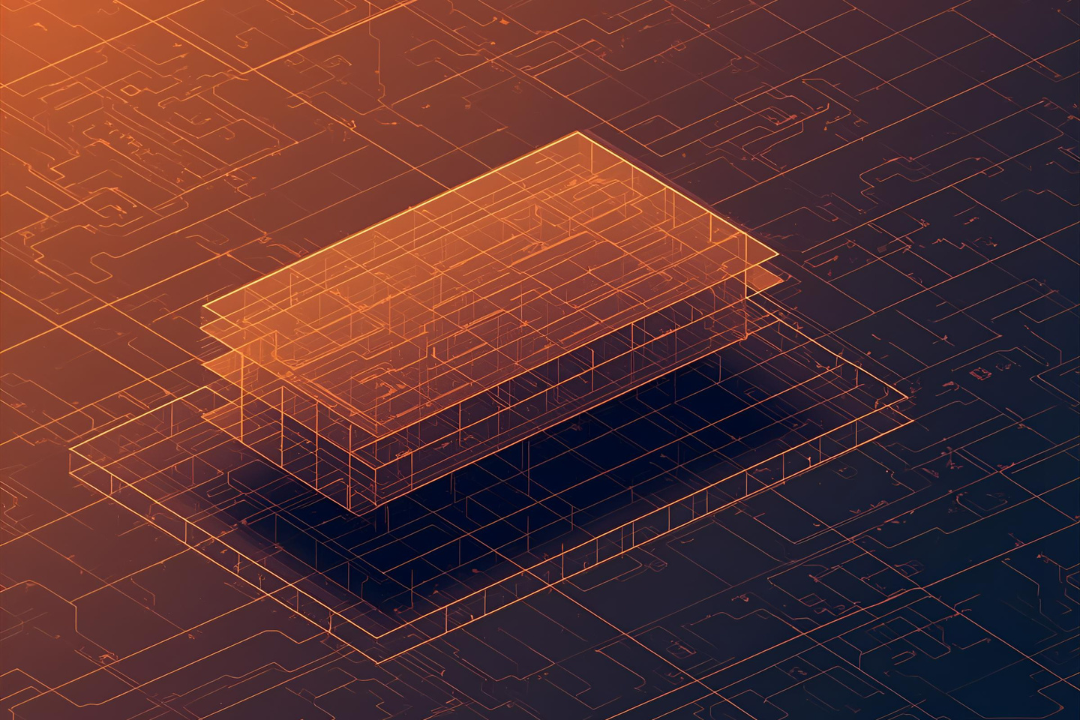
A digital twin is a virtual model of an organization’s networks, infrastructure, and operational systems. While it may not replicate every live system, it captures the critical interactions, dependencies, and data flows that determine real-world security outcomes. This allows teams to test security strategies, uncover hidden vulnerabilities, and make informed decisions without impacting live operations.
By bridging theory and practice, digital twin security transforms abstract risk scenarios into actionable insights.
The Value of Simulated Threat Scenarios
Cyber-attacks today often combine technical exploits, human errors, and procedural gaps. Digital twin simulations allow organizations to explore “what-if” scenarios safely, revealing weaknesses before attackers can exploit them.
Some practical applications include:
- Testing ransomware or malware attacks: Teams can assess how systems would respond to malicious code without interrupting production environments.
- Simulating insider threats: Evaluates access privileges and employee interactions to identify potential points of misuse.
- Evaluating third-party integrations: Tests vendor systems or software for hidden vulnerabilities before they are deployed live.
- Stress-testing networks and operational technology: Examines how systems handle high load or simultaneous attack vectors.
Running these simulations provides clarity on where defenses might fail, helping organizations prioritize improvements and reduce operational risk.
From Simulation to Real-World Action
Simulation insights are only valuable if translated into real-world improvements. Digital twin security informs changes across systems, processes, and monitoring practices. Key steps include:
Practical steps include:
- Prioritizing vulnerabilities identified in simulations for remediation
- Updating incident response playbooks to reflect realistic threat scenarios
- Enhancing monitoring and detection mechanisms based on observed behaviors
- Aligning security processes with organizational goals to ensure operational continuity
Applying these principles creates a layered defense, reducing exposure to both targeted attacks and broader cyber threats.
This integration ensures that digital twin simulations directly strengthen real-world defenses rather than remaining theoretical exercises.
Mayfield’s Approach to Digital Twin Security
At Mayfield, we help organizations adopt a proactive mindset toward threats, leveraging technology, structured processes, and expert analysis. While we do not create complete digital replicas of every operational system, our approach enables teams to simulate scenarios, anticipate risks, and strengthen defenses effectively.
Our services include:
- Managed Security Services (MSS): 24/7 monitoring of networks, endpoints, and devices using Cortex XDR and Palo Alto Networks platforms.
- Automated detection and response: Security orchestration turns alerts into actionable workflows to reduce response time.
- Incident response and root cause analysis: Rapid investigation and remediation, coupled with guidance on policy improvements.
- Consulting and security architecture guidance: Aligning technology, processes, and human oversight to ensure security practices are practical and effective.
By combining these capabilities, organizations can explore threat scenarios, validate controls, and improve resilience without exposing live systems to risk.
Proactive Defense for Complex Environments
Digital twin security shifts organizations from reactive to proactive defense. Simulations help teams anticipate attacks, validate controls, and make confident decisions under pressure.
Organizations that integrate digital twins into their security framework gain:
- Greater visibility into complex systems
- Faster, more confident decision-making under threat
- Reduced operational risk and improved resilience
- Clearer alignment between security strategies and business objectives
The true advantage lies in how organizations leverage simulations with structured processes and expert guidance. This is what separates theoretical exercises from meaningful security improvements.
Digital twin security provides a roadmap to anticipate threats, strengthen defenses, and protect critical systems.
Explore how Mayfield can help your organization simulate threats, enhance resilience, and proactively safeguard high-value assets. Contact us today to see a tailored approach for your security environment.