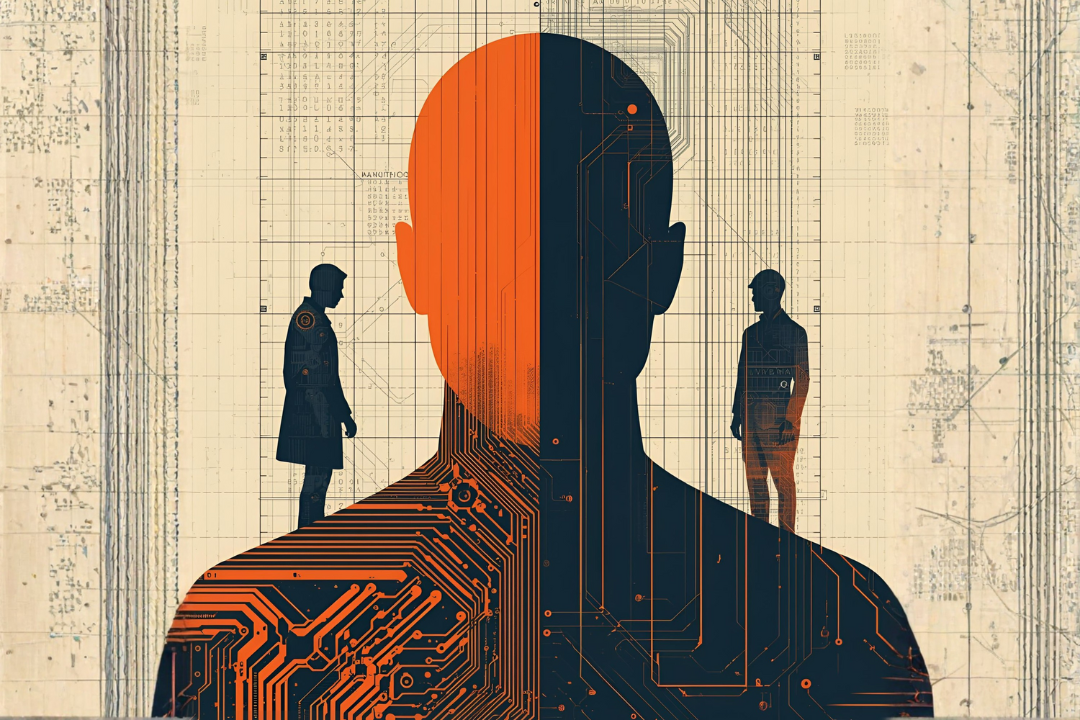
People Shape Security Outcomes
Defenses succeed. Employees encounter phishing emails, misconfigured systems, or risky behaviors that can introduce vulnerabilities. Organizations that understand these human factors are better positioned to reduce risk.
Key points to consider:
- Human behavior can create weak points that technology alone cannot address
- Mistakes often occur during everyday tasks, such as accessing emails or shared files
- Employees make faster, better decisions when policies and workflows are clear
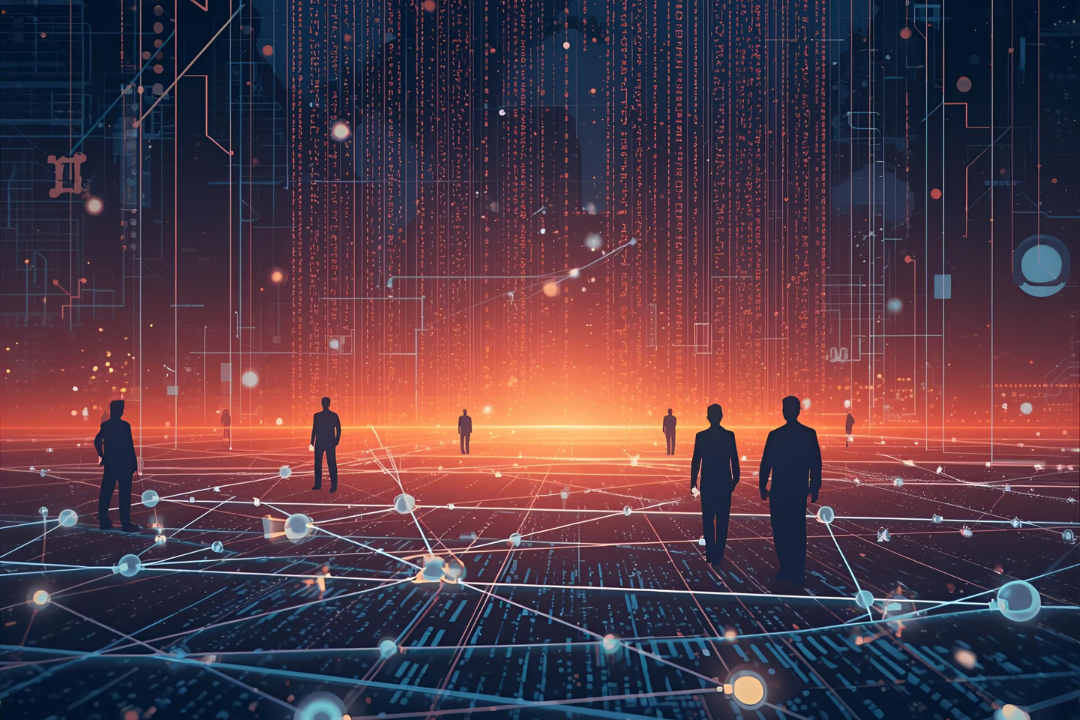
By viewing people as part of the security architecture, businesses can design processes and systems that support safe actions rather than simply relying on technology to catch mistakes.
The Role of Awareness and Guidance
Employees do not need to be security experts to make a difference. Effective cybersecurity depends on providing structured guidance and practical support. Clear policies, role-based responsibilities, and escalation paths help employees respond correctly when they encounter potential risks.
Consider these elements:
- Defined responsibilities so each employee knows what to do in different scenarios
- Accessible escalation paths for reporting potential threats quickly
- Regular communication about emerging threats and updated procedures
When organizations integrate these practices, employees are empowered to act confidently, reducing the likelihood of errors and improving overall resilience.
Supporting the Human Element with Technology
Modern managed security services and SOC solutions complement human decision-making. Continuous monitoring, AI-enhanced threat detection, and incident response provide the context employees need to act effectively. These capabilities allow organizations to address threats proactively and minimize operational disruption.
Support technologies play a key role in strengthening employee response. Around-the-clock monitoring helps detect suspicious activity as it happens, while threat intelligence feeds keep staff informed of emerging risks. Incident detection and response platforms provide structured guidance, helping teams take the right corrective actions when issues arise. By combining these tools with clear processes, employees are never left to navigate security threats on their own.
How Mayfield Strengthens Cybersecurity Decisions
At Mayfield, we act as architects of cybersecurity. Through advisory services, assessments, and managed security operations, we provide organizations with the visibility and context needed to make informed decisions. Our vendor-agnostic SOC operates 24/7 to monitor, detect, and respond to threats, giving organizations the intelligence to strengthen the human layer of security.
Key Mayfield offerings that support human decision-making:
- Advisory and assessment services that clarify risk priorities
- Continuous monitoring through our SOC to detect emerging threats
- Incident response and remediation guidance to empower staff actions
By integrating these services, businesses can design workflows and processes that enable employees to contribute effectively to overall security.
Building a More Resilient Organization
Understanding the human element is critical to cybersecurity. Organizations that combine structured guidance, operational support, and technology reduce risk while improving response outcomes. By aligning people, processes, and technology, businesses can detect threats before they escalate, respond to incidents with confidence and clarity, maintain ongoing situational awareness, and foster a culture where security is a shared responsibility. Cybersecurity is not just about tools or protocols; it is about creating an environment where employees and systems work together seamlessly to protect the business.
Discover how Mayfield can help your organization strengthen cybersecurity through advisory, monitoring, and managed operations.
Explore strategies to protect your business